What Is CBD?
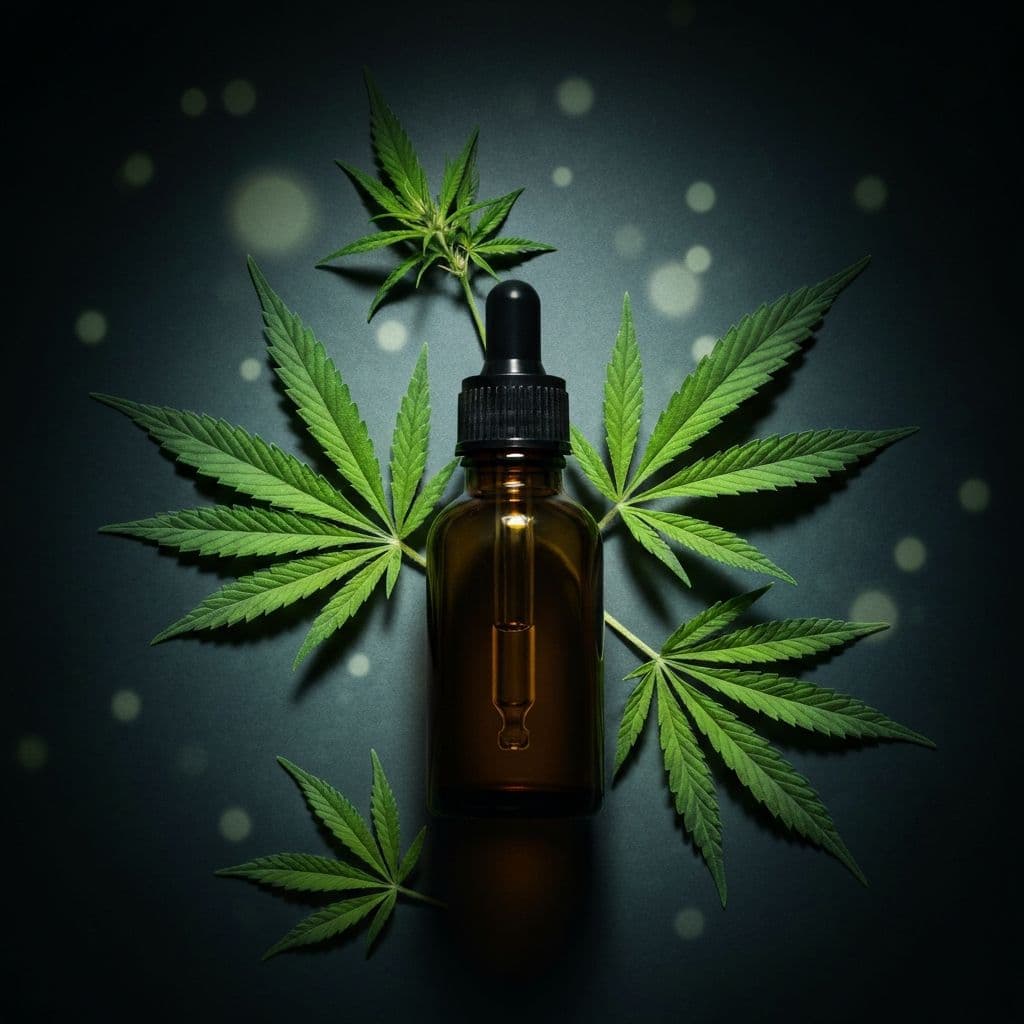
Cannabidiol (CBD) is one of over 100 cannabinoids found in the Cannabis sativa plant. Unlike its cousin THC (tetrahydrocannabinol), CBD is non-psychoactive — it does not produce the "high" associated with cannabis use.
CBD interacts primarily with the body's endocannabinoid system (ECS) — a complex cell-signaling system that plays a role in regulating sleep, mood, appetite, inflammation, and pain response.
The Endocannabinoid System
The ECS consists of endocannabinoids (naturally produced by the body), receptors (CB1 and CB2), and enzymes that synthesize and break down endocannabinoids. CBD modulates this system indirectly — rather than binding directly to CB receptors, it appears to inhibit the breakdown of the body's own endocannabinoids, allowing them to exert their effects for longer.
What the Evidence Supports
The strongest evidence for CBD exists in the following areas:
- Epilepsy — Epidiolex, an FDA-approved CBD medication, has demonstrated significant seizure reduction in Dravet syndrome and Lennox-Gastaut syndrome
- Anxiety — Multiple controlled studies show CBD reduces anxiety in social anxiety disorder and PTSD
- Sleep — Preliminary evidence supports CBD's ability to improve sleep quality, particularly in anxiety-related insomnia
- Neuropathic pain — Consistent preclinical evidence; human data more mixed but promising
- Inflammation — Robust preclinical evidence; human inflammatory conditions show promise but require more research
What the Evidence Does NOT Support
Many CBD marketing claims dramatically outpace the science:
"The gap between what CBD is marketed to do and what it's been proven to do remains substantial."
- Curing cancer — no human evidence; some preclinical findings do not translate to clinical use
- Reversing neurodegeneration — promising preclinical data but no human clinical proof yet
- Replacing conventional medications — CBD works best as a complement, not a replacement
Dosing Considerations
CBD dosing is highly individual and context-dependent. Research doses vary widely:
- Anxiety: 25–75mg daily
- Sleep: 25–150mg taken 1 hour before bed
- Pain/inflammation: 50–150mg daily
- Epilepsy (pharmaceutical Epidiolex): up to 20mg/kg/day
Start low and titrate up slowly. Effects may take 1–2 weeks of consistent use to fully manifest.
Product Quality
The CBD market is largely unregulated, and product quality varies enormously. Key criteria for selecting quality CBD products:
- Third-party certificate of analysis (COA) from an accredited laboratory
- Grown from organic hemp in the USA or EU
- CO2-extracted for purity
- Full-spectrum (contains other beneficial cannabinoids and terpenes) vs. broad-spectrum (THC-free) vs. isolate
Conclusion
CBD is a genuinely promising compound with real applications for anxiety, sleep, and pain. The hype has far outrun the science in many areas, but that doesn't diminish the legitimate therapeutic potential that rigorous research continues to uncover. Choose quality products, set realistic expectations, and treat CBD as part of a comprehensive wellness strategy — not a miracle cure.