What Is CBD?
CBD is short for Cannabidiol — a pharmaceutically active, naturally derived constituent of the cannabis plant first discovered in the 1940s. Unlike THC found in marijuana, CBD is not psychoactive and does not make users feel high. Instead, it produces a calming, relaxing effect without intoxication.
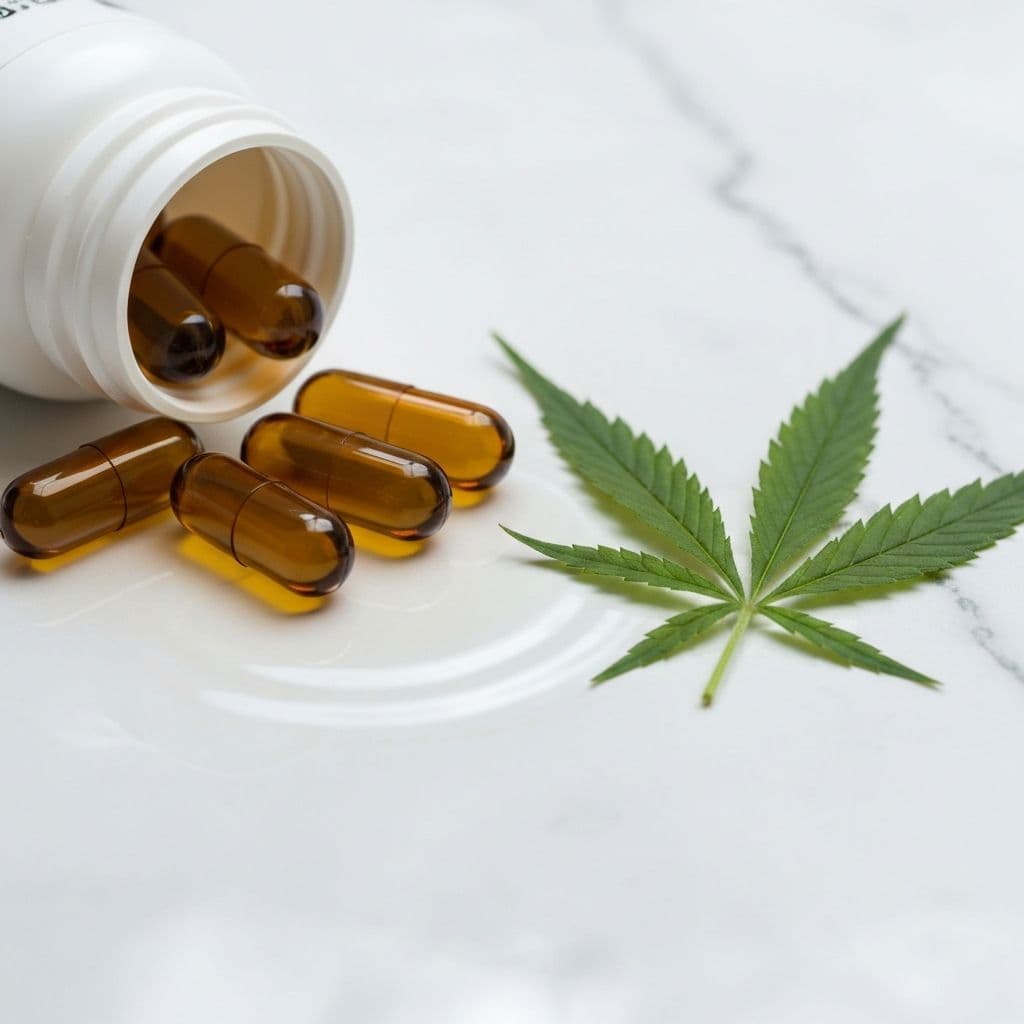
CBD oil is produced by extracting cannabidiol from the cannabis plant and mixing it with a carrier oil such as coconut or hemp seed oil. CBD oil capsules take this a step further, encapsulating the oil into a convenient pill form for easy oral consumption.
Why Choose CBD Oil Capsules?
Three key factors make CBD oil capsules a superior choice for many users:
- Convenience — Easy to swallow and carry, no measuring required
- Bioavailability — Between 7–16% of each capsule dose is absorbed by the body
- Accessibility — Available in over 45 US states and 30+ countries worldwide
The recommended dosage is one capsule taken three times per day. Always stay within the stated daily dose and consult a medical professional before starting any new supplement regimen.
CBD Oil Capsules vs. CBD Oil
The primary physical difference between CBD oil and CBD oil capsules is the form factor. CBD oil comes in a dropper bottle and is administered in liquid form, while capsules are ingested orally like a standard pill. Capsules are particularly convenient for travelers and those who dislike the taste of CBD oil.
Key Benefits of CBD Oil Capsules
Pain Relief
Perhaps the most significant benefit of CBD oil capsules is pain relief. Scientists have discovered that cannabidiol is a key compound in relieving pain through the body's endocannabinoid system (ECS) — which regulates pain through neurotransmitters that attach to cannabinoid receptors in the nervous system.
CBD boosts the ECS and reduces both chronic and acute pain. A combination of CBD and THC has also shown promising results for arthritis pain and certain forms of sclerosis.
Cancer Care Support
In laboratory studies conducted on cancer-laden test tubes and mice, concentrated CBD has shown potential to reduce and eliminate cancer cell growth, most notably breast cancer. CBD in combination with THC has demonstrated significant pain reduction for cancer patients in cases where conventional pain medication had failed.
For those undergoing chemotherapy, CBD oil capsules in combination with THC prescriptions have been shown to reduce the severity of nausea and vomiting side effects.
Heart Health
Regular, consistent doses of CBD oil capsules have been shown to improve blood circulation and help relieve high blood pressure — a gateway to serious conditions such as stroke. In a clinical test with male subjects, 600mg of CBD oil reduced both stress levels and blood pressure compared to a control group receiving standard medication. Animal studies have also indicated CBD may reduce cell death associated with heart disease.
Reducing Depression and Anxiety
CBD oil has the ability to trigger or calm brain receptors associated with mood regulation. Scientific studies have shown that regular CBD doses in animals produce antidepressant characteristics. Participants who took CBD oil capsules before giving a speech reported significantly reduced anxiety levels. Unlike traditional antidepressants, CBD does not carry addiction syndromes and has been administered to children with post-traumatic stress disorder and insomnia with reported behavioral improvements.
Skin Health and Acne
Acne can be caused by genetics, bacteria, and sebum overproduction. CBD helps combat acne through its anti-inflammatory properties and its ability to counteract excessive sebum production — making it a promising natural treatment for skin health.
Neuroprotection
CBD's ability to act on the ECS and affect brain function makes it a candidate for combating neurological disorders. Studies have shown that CBD reduces seizure frequency, helps patients with Parkinson's disease sleep better, and may help combat Alzheimer's disease through its anti-inflammatory effects.
Blood Sugar Regulation
In a controlled study on diabetic female mice, approximately 30% were treated of diabetes upon administration of CBD oils. CBD appears particularly effective for Type 1 diabetes conditions.
Drug and Nicotine Withdrawal
CBD has shown promise in helping smokers reduce cigarette intake and diminish nicotine cravings. Opium users have also found relief and relaxation through CBD as an alternative to harder substances.
CBD Oil Capsule Side Effects
Despite the many benefits, some side effects have been documented:
- Not recommended for people with glaucoma due to potential ocular pressure
- High doses may cause severe drowsiness
- Epilepsy patients using CBD without THC long-term may experience worsening conditions
- May inhibit hepatic drug metabolism and enzyme function
- Dry mouth due to interaction with cannabinoid receptors in salivary glands
- High doses can cause low blood pressure — particularly dangerous for those already having low pressure
- Temporary lightheadedness from small blood pressure drops
- Fatigue and tiredness in some users
- Diarrhea and nausea in some individuals
- Possible reduced fertility levels
Dosage Guide
The FDA has not established an official CBD dosage. Key factors that influence the correct dose include previous health conditions, drug concentration in the capsule, body weight, the condition being treated, and any allergies or behavioral conditions.
For most people, the general recommendation of one capsule three times daily is appropriate. Beginners should start with a lower dose and gradually increase. Always consult a physician or medical expert before beginning CBD supplementation.
Where to Buy CBD Oil Capsules
CBD oil capsules are widely available online through reputable pharmaceutical suppliers. Trusted vendors include Highland Pharms and Green Wellness Life. Your local pharmaceutical dealer can also source them. When purchasing online, prioritize vendors with verified third-party lab testing and transparent ingredient lists.