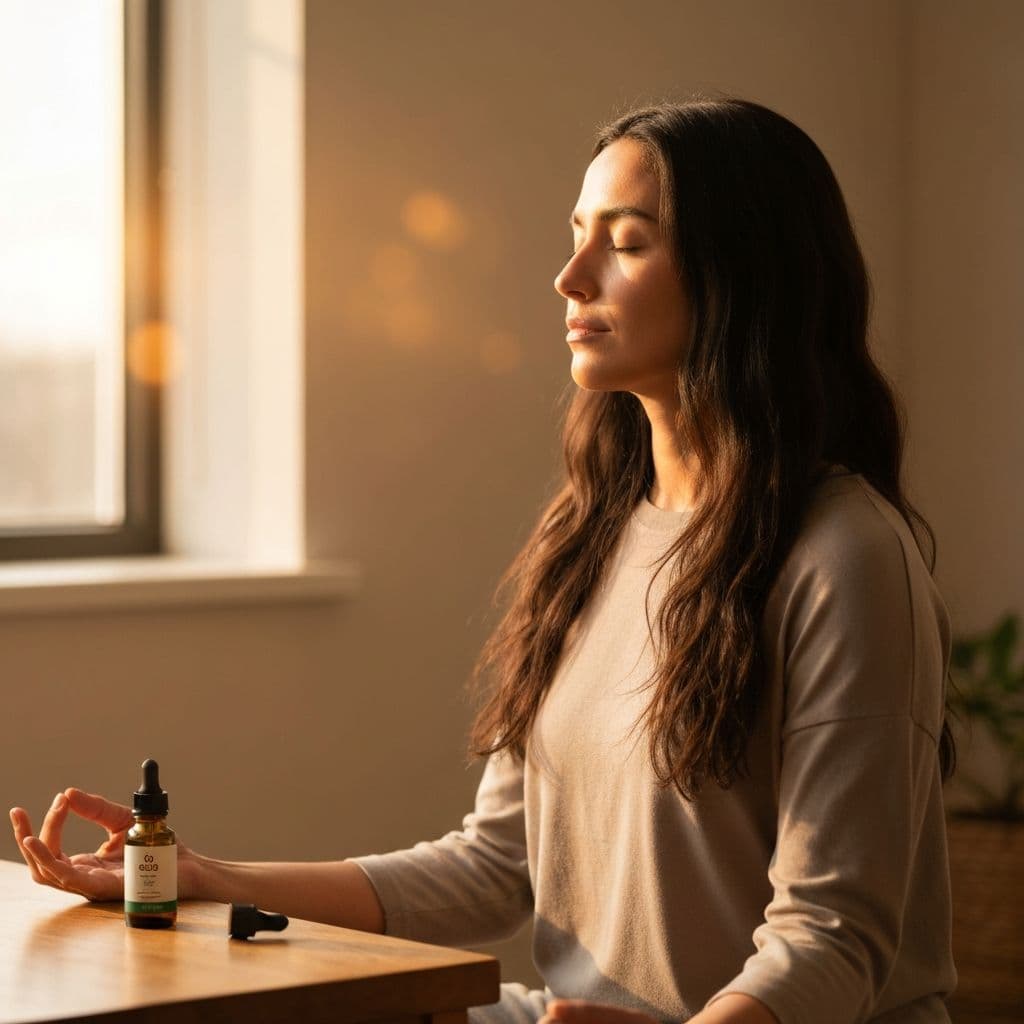
The Anxiety Epidemic
Anxiety disorders are the most prevalent mental health condition in the United States, affecting an estimated 40 million adults — roughly 18% of the population. Despite being highly treatable, less than 40% of those affected receive treatment. Many who do receive treatment find conventional pharmaceuticals either ineffective or accompanied by intolerable side effects.
Into this gap, cannabidiol (CBD) has emerged as one of the most-discussed natural interventions for anxiety. But does the evidence support the enthusiasm?
How CBD May Reduce Anxiety
CBD interacts with the endocannabinoid system (ECS) and several other receptor systems involved in anxiety regulation. The key mechanisms include:
- 5-HT1A serotonin receptor agonism — CBD activates the same receptor targeted by many antidepressants and anti-anxiety medications. This is considered the primary anxiolytic mechanism.
- CB1 receptor indirect modulation — By inhibiting the enzyme FAAH (fatty acid amide hydrolase), CBD raises levels of anandamide, the body's endogenous cannabinoid, which promotes calm and emotional regulation.
- Cortisol reduction — Research shows CBD reduces cortisol secretion, directly lowering the physiological stress response.
- Hippocampal neurogenesis — Chronic anxiety is associated with reduced neurogenesis in the hippocampus. CBD appears to promote the growth of new neurons in this region, mirroring the mechanism of long-term antidepressant therapy.
Key Clinical Evidence
The research base for CBD and anxiety has grown substantially over the past decade. Landmark studies include:
Social Anxiety Disorder (SAD)
A 2011 double-blind randomized controlled trial published in the journal Neuropsychopharmacology found that CBD (600mg) significantly reduced anxiety, cognitive impairment, and discomfort in speech performance in patients with Social Anxiety Disorder compared to placebo. Brain imaging showed reduced activity in the limbic and paralimbic regions associated with anxiety processing.
Generalized Anxiety
A large 2019 retrospective case series published in The Permanente Journal examined 72 adults treated with CBD. Anxiety scores decreased in 79.2% of patients within the first month and remained decreased throughout the study. Notably, sleep also improved in 66.7% of patients — a significant finding given the bidirectional relationship between anxiety and sleep disruption.
PTSD
Multiple studies and case series have examined CBD in post-traumatic stress disorder, a condition notoriously difficult to treat. Results suggest CBD may reduce nightmare frequency, hyperarousal symptoms, and intrusive memories — potentially through its effects on memory reconsolidation and fear extinction learning.
"CBD appears to dampen the hyperactive threat-detection circuitry that characterizes anxiety disorders, without the sedation or cognitive impairment associated with benzodiazepines."
CBD vs. Conventional Anxiety Medications
It is important to contextualize CBD within the existing treatment landscape:
- SSRIs/SNRIs — First-line treatments with strong evidence, but 4–6 week onset and significant side effects (weight gain, sexual dysfunction, emotional blunting). CBD has a faster onset for acute anxiety.
- Benzodiazepines — Effective for acute anxiety but carry high addiction potential and cognitive side effects. CBD has no addiction potential or withdrawal syndrome.
- Buspirone — Modest efficacy with slow onset; CBD appears comparable in some studies without the dizziness and nausea side effects.
CBD is not a replacement for prescription medication in severe anxiety disorders. However, for mild to moderate anxiety, and as an adjunct to conventional treatment, the evidence is increasingly compelling.
Practical Dosing for Anxiety
CBD dosing for anxiety follows a bell-curve relationship — too little produces no effect, the optimal range produces relief, and excessively high doses may paradoxically increase anxiety in some individuals.
- Starting dose: 15–25mg daily for general anxiety maintenance
- Acute anxiety (situational): 25–75mg taken 1–2 hours before the stressful event
- Social anxiety (research dose): 300–600mg for significant performance anxiety; note this is much higher than typical OTC products provide
- Titration: Increase by 5–10mg every 1–2 weeks until desired effect is achieved
Sublingual tinctures (held under the tongue for 60–90 seconds before swallowing) have the fastest onset — typically 15–45 minutes — making them preferable for acute situational anxiety. Capsules and edibles have a delayed onset of 1–2 hours but provide longer-lasting effects suitable for daily maintenance.
Choosing the Right Product
For anxiety specifically, full-spectrum CBD products — which contain a full range of cannabinoids, terpenes, and flavonoids — are generally preferred over CBD isolate. The "entourage effect" hypothesis suggests these compounds work synergistically, with several terpenes (linalool, myrcene, beta-caryophyllene) contributing independent anxiolytic effects.
However, for individuals who must avoid any THC (drug testing, personal preference), broad-spectrum products — which retain all cannabinoids except THC — are an effective alternative.
Important Considerations
CBD can inhibit cytochrome P450 liver enzymes, potentially affecting the metabolism of certain medications. Individuals taking blood thinners, antiepileptics, or other medications metabolized by CYP450 should consult their physician before using CBD.
Additionally, CBD is not recommended during pregnancy or breastfeeding due to insufficient safety data in these populations.
Conclusion
The evidence for CBD as an anxiolytic is among the strongest in the cannabidiol research literature. While it should not replace conventional medical treatment for severe anxiety disorders, CBD represents a genuinely useful tool for managing anxiety — particularly for those who have found pharmaceuticals ineffective, intolerable, or who prefer a non-pharmaceutical approach. Quality matters enormously: choose third-party tested products, start at a conservative dose, and track your response systematically.
This article is for informational purposes only and does not constitute medical advice. Consult a qualified healthcare provider before starting CBD, particularly if you are taking other medications.