
Introduction
The supplement industry is a multi-billion dollar market flooded with products that promise miraculous results. But which ones actually deliver? This comprehensive guide cuts through the noise and focuses on what peer-reviewed science actually supports.
Protein Powder
Protein is the cornerstone of any serious fitness regimen. Whey protein, in particular, is one of the most studied supplements in existence. It contains all essential amino acids and is rapidly absorbed by the body — making it ideal post-workout.
Studies consistently show that adequate protein intake (1.6–2.2g per kilogram of body weight) combined with resistance training leads to superior muscle growth and strength gains compared to training alone. Whey protein is simply a convenient, cost-effective way to hit that target.
"Protein is the building block of every cell in your body. Supplementing intelligently closes the gap between your dietary intake and your performance goals."
Creatine Monohydrate
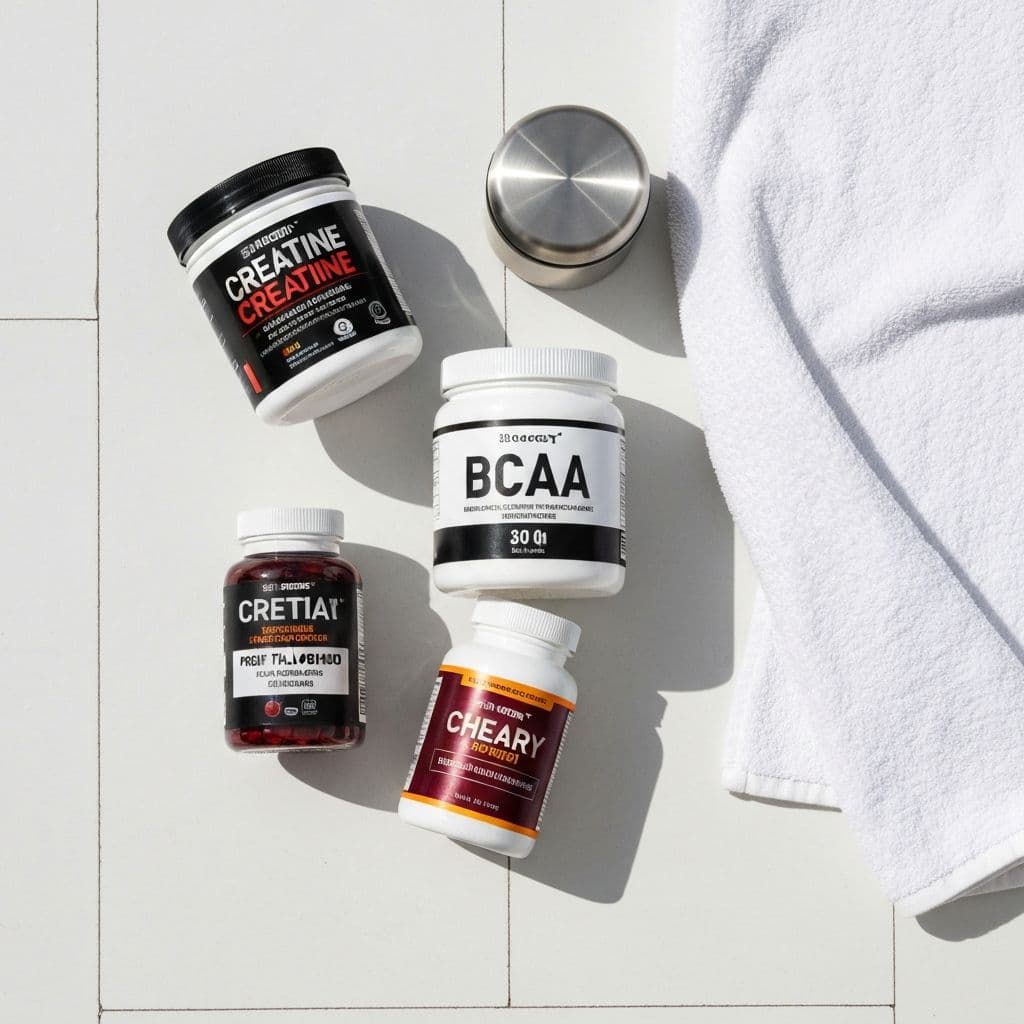
If there is one supplement with an overwhelming body of evidence behind it, it's creatine monohydrate. Over 1,000 peer-reviewed studies have examined creatine, and the consensus is clear: it works.
Creatine increases phosphocreatine stores in muscles, enabling the regeneration of ATP — the primary energy currency of muscle cells. This translates to more reps, heavier lifts, and faster recovery between sets.
- Standard dose: 3–5g daily
- No loading phase necessary for most users
- Safe for long-term use in healthy individuals
- Benefits compound over 4–12 weeks of consistent use
Omega-3 Fatty Acids
EPA and DHA — the active omega-3 fatty acids found in fish oil — have profound anti-inflammatory effects. For athletes, this means faster recovery and reduced joint pain. For the general population, omega-3s support cardiovascular health, cognitive function, and mood regulation.
The typical Western diet is severely deficient in omega-3s while being over-abundant in omega-6s. Supplementing with 2–3g of combined EPA+DHA daily is a powerful corrective measure.
Vitamin D3 + K2
Vitamin D deficiency is epidemic in modern populations — estimates suggest over 40% of Americans are deficient. Vitamin D is not just a vitamin; it functions as a hormone that regulates hundreds of biological processes including immune function, testosterone production, and bone density.
K2 is the essential pairing because it directs calcium to bones and teeth, preventing arterial calcification that can occur with high-dose Vitamin D supplementation alone.
Magnesium Glycinate
Magnesium is involved in over 300 enzymatic reactions in the body. It's crucial for sleep quality, muscle relaxation, stress regulation, and energy production. Athletes deplete magnesium rapidly through sweat and metabolic demand.
Glycinate is the preferred form due to its superior bioavailability and its additional calming effects through glycine's action on the nervous system.
What to Avoid
The supplement graveyard is littered with products that sound impressive but have minimal evidence:
- Proprietary blends — often hide ineffective doses behind flashy labels
- Testosterone boosters — most herbal formulas have negligible effects in healthy men
- Fat burners — stimulant-based products with marginal, unsustainable results
- BCAAs — redundant if you're already hitting adequate total protein intake
The Foundation Always Wins
Supplements are exactly that — supplemental. No pill or powder replaces consistent training, adequate sleep, stress management, and a whole-food-based diet. The best supplement stack in the world delivers 10% of the results that these fundamentals provide. Master the basics first, then layer in evidence-based supplements to optimize your performance.
Conclusion
Focus on the fundamentals: creatine, protein, vitamin D3+K2, omega-3s, and magnesium. These five categories have the strongest evidence base and the most meaningful impact on health and performance. Everything else is secondary — and often unnecessary.