
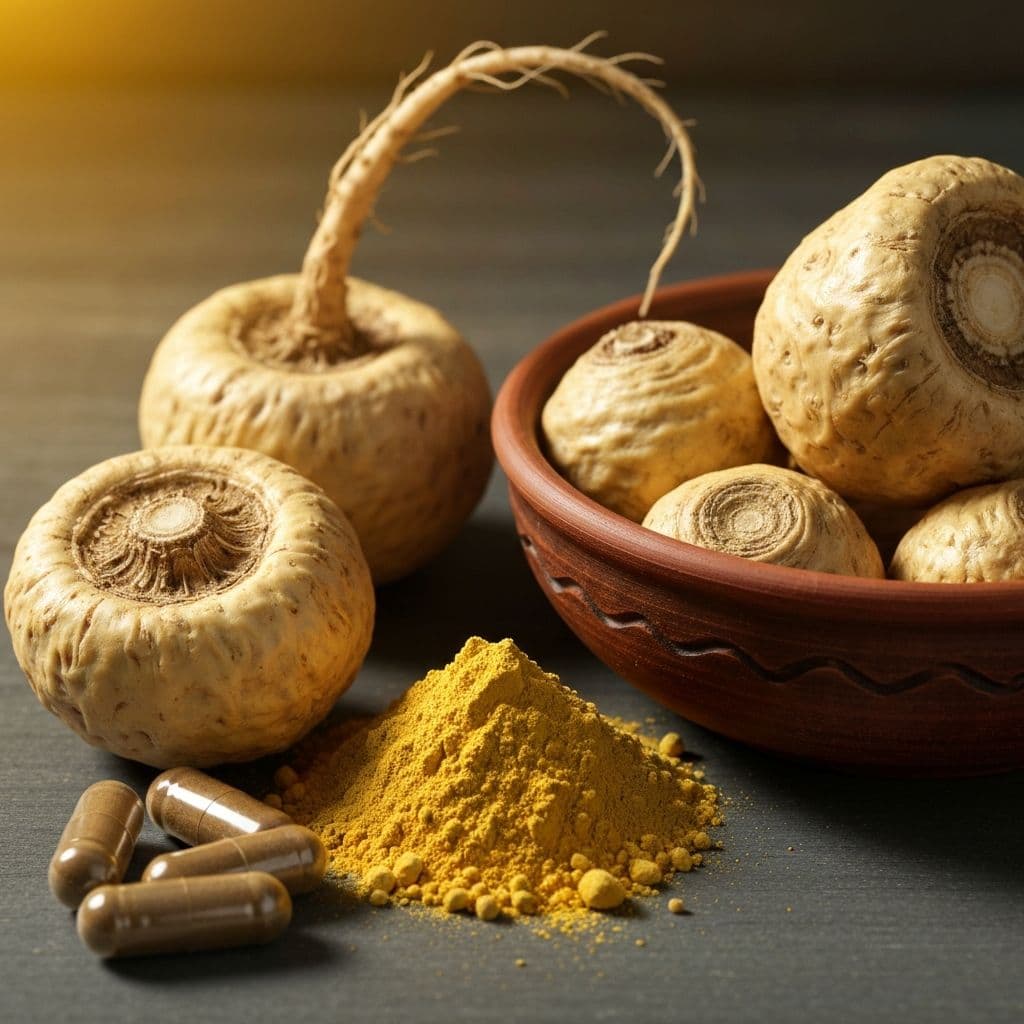
Origins of Maca
Maca (Lepidium meyenii) is a cruciferous root vegetable cultivated in the Andes Mountains of Peru at altitudes above 4,000 meters — one of the harshest growing environments on Earth. For over 2,000 years, indigenous Andean cultures used maca as both a staple food and a powerful medicine.
Spanish conquistadors documented that Incan warriors consumed maca before battle for enhanced strength and endurance — and prohibited conquered peoples from using it to keep this advantage for themselves.
The Adaptogen Mechanism
Maca is classified as an adaptogen — a substance that helps the body resist physical and biological stress. Unlike stimulants that force the body into a heightened state, adaptogens modulate the stress response, bringing the body toward homeostasis regardless of whether it's over- or under-stimulated.
The active compounds responsible for maca's effects include macamides, macaridine, glucosinolates, and polyphenols. These compounds interact with the hypothalamic-pituitary axis to regulate hormonal signaling.
Energy Without Stimulation
One of maca's most distinctive qualities is that it provides genuine energy enhancement without caffeine or any stimulant compounds. Users consistently report sustained, clean energy without the jitteriness or crash associated with caffeine.
The mechanism appears to involve optimization of mitochondrial function and improvements in iron absorption — both of which directly impact cellular energy production.
Fertility and Libido
The most well-studied application of maca is its effect on sexual function and fertility. Human clinical trials have demonstrated:
- Significant improvement in self-reported sexual desire in men and women
- Increased sperm count and motility in men
- Alleviation of sexual dysfunction in post-menopausal women
- Reduction of anxiety and depression associated with menopause
Notably, maca achieves these effects without directly altering testosterone or estrogen levels — suggesting a more complex, upstream hormonal regulatory mechanism.
Athletic Performance
Emerging research suggests maca may enhance athletic endurance. In a small but well-designed study, trained male cyclists who consumed maca extract for 14 days improved their 40km time trial performance significantly compared to placebo.
The Different Colors of Maca
Maca comes in three main color varieties — yellow/cream, red, and black — each with slightly different effects:
- Yellow Maca — most common, best for general energy and mood
- Red Maca — highest antioxidant content, particularly beneficial for bone health and prostate health in men
- Black Maca — most potent for energy, sperm production, and cognitive function
Dosage and Use
Typical effective doses in research range from 1.5g to 3.5g daily. Gelatinized maca (pre-cooked) is easier to digest and has superior bioavailability compared to raw maca powder. Results accumulate over 4–12 weeks of consistent use.
Conclusion
Maca is a legitimate, evidence-backed adaptogen with genuine benefits for energy, hormonal balance, fertility, and potentially athletic performance. It fills a unique niche as a natural energy enhancer that works through optimization rather than stimulation — making it suitable for long-term daily use.