Introduction
Both kratom and Suboxone have been used to address opioid withdrawal symptoms and addiction. Kratom gained its foothold in the mid-20th century as an Ayurvedic herb with multiple therapeutic uses, including managing withdrawal. Suboxone, on the other hand, was developed specifically as a pharmaceutical treatment for opioid dependence. Both substances have devoted advocates and serious critics — so how do they actually compare?
What Is Kratom?
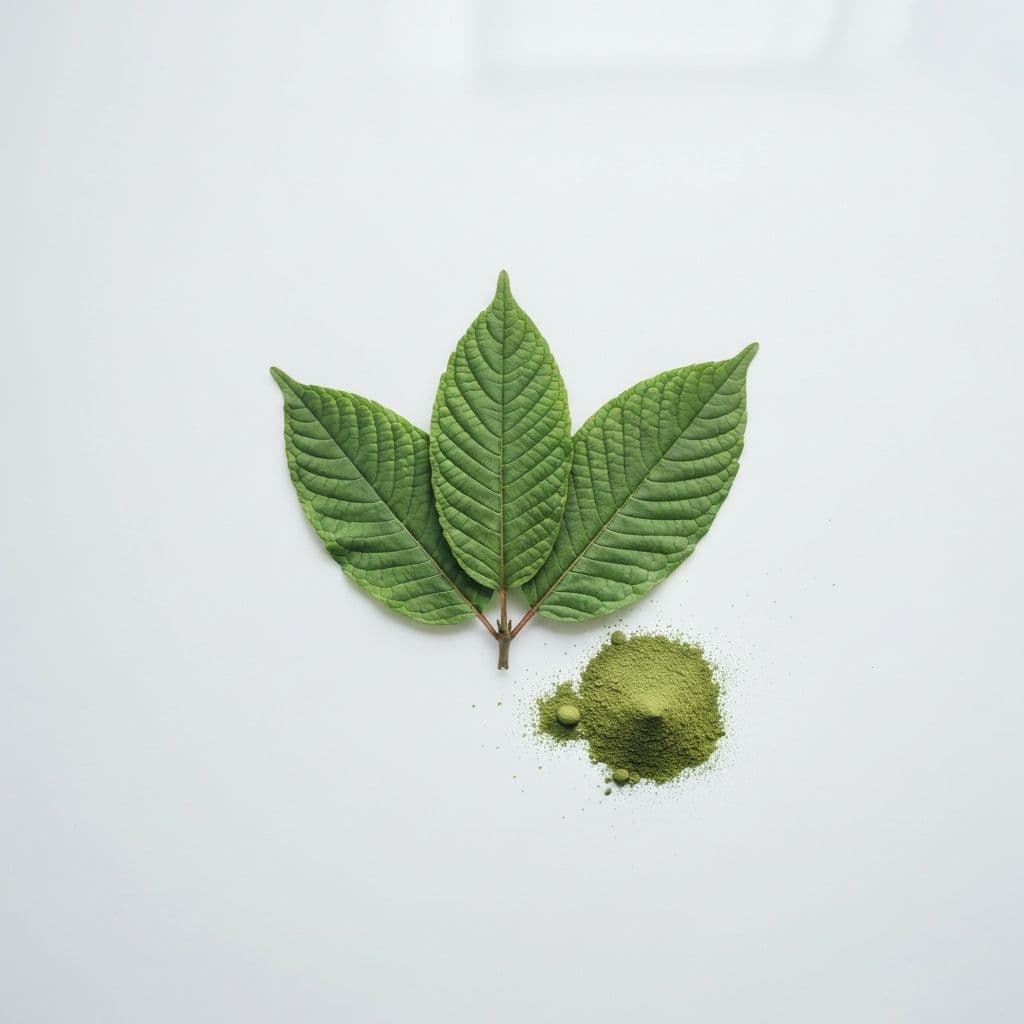
Kratom comes from the Mitragyna speciosa tree — a lush evergreen native to Southeast Asia, closely related to the coffee plant. Along with its well-known uses for treating depression, anxiety, and pain, kratom has been adopted by those seeking relief from heroin, opioid, and drug withdrawal effects. Its active alkaloids — 7-hydroxymitragynine and mitragynine — interact with opioid receptors to produce effects similar to opioids at higher doses, while acting more like a stimulant at lower doses.
What Is Suboxone?
Suboxone is a brand-name prescription medication containing two active compounds: buprenorphine (a partial opioid agonist) and naloxone (an opioid antagonist). It was first released in France in 1995 as a response to the AIDS epidemic among heroin users, and received FDA approval in 2002 as a Schedule III controlled substance. It is administered as a dissolving film placed under the tongue or against the cheek.
Origins and Natural vs. Synthetic
Kratom is naturally occurring — harvested from wild and cultivated trees in Indonesia, Thailand, and Malaysia. The various colors of leaf veins produce different strains with unique alkaloid profiles. Suboxone, by contrast, is entirely synthetic — a man-made pharmaceutical compound with no natural equivalent.
Side Effects: Suboxone
Suboxone carries a documented range of side effects including headache, dizziness, nausea, vomiting, sweating, constipation, and heart rate fluctuation. In severe cases of misuse or overdose, breathing problems, coma, and death have been reported. Most experts acknowledge that Suboxone itself carries physical and psychological dependency risks, making it something that should not be relied upon exclusively.
How Kratom Assists with Withdrawal
Kratom does not affect the brain as dramatically as synthetic opioids. Users report that it helps maintain mental clarity, reduces drug cravings, provides motivation to stay drug-free, and eases the physical discomfort of withdrawal. Its naturally occurring alkaloids interact with opioid receptors in a more moderate way than prescription opioids, making it a gentler option for many.
Dependency Concerns
Suboxone has well-documented addiction and dependency potential. Because it contains a partial opioid agonist (buprenorphine), users can become physically and psychologically dependent on it — sometimes requiring their own tapering process to stop. Kratom also carries dependency risks when used chronically in high doses, though its withdrawal profile is generally considered milder than pharmaceutical opioids.
Which Is Healthier?
There is no definitive scientific consensus declaring one categorically safer than the other. The answer depends heavily on individual physiology, dosage, usage patterns, and the severity of the original addiction. Kratom offers a natural, lower-intervention approach; Suboxone offers a pharmaceutically controlled, prescriber-supervised approach with more research backing its clinical use.
Suboxone Dosage Strengths
Suboxone comes in four dosage strengths, each containing specific ratios of buprenorphine and naloxone. It should always be used under medical supervision with a structured tapering plan to minimize dependency risks.
Conclusion
Both kratom and Suboxone have legitimate roles in opioid withdrawal management. Used responsibly and according to guidance — whether from a physician for Suboxone or within safe dosing guidelines for kratom — both can provide meaningful relief. Always consult a qualified healthcare provider before using either substance for addiction treatment purposes.