
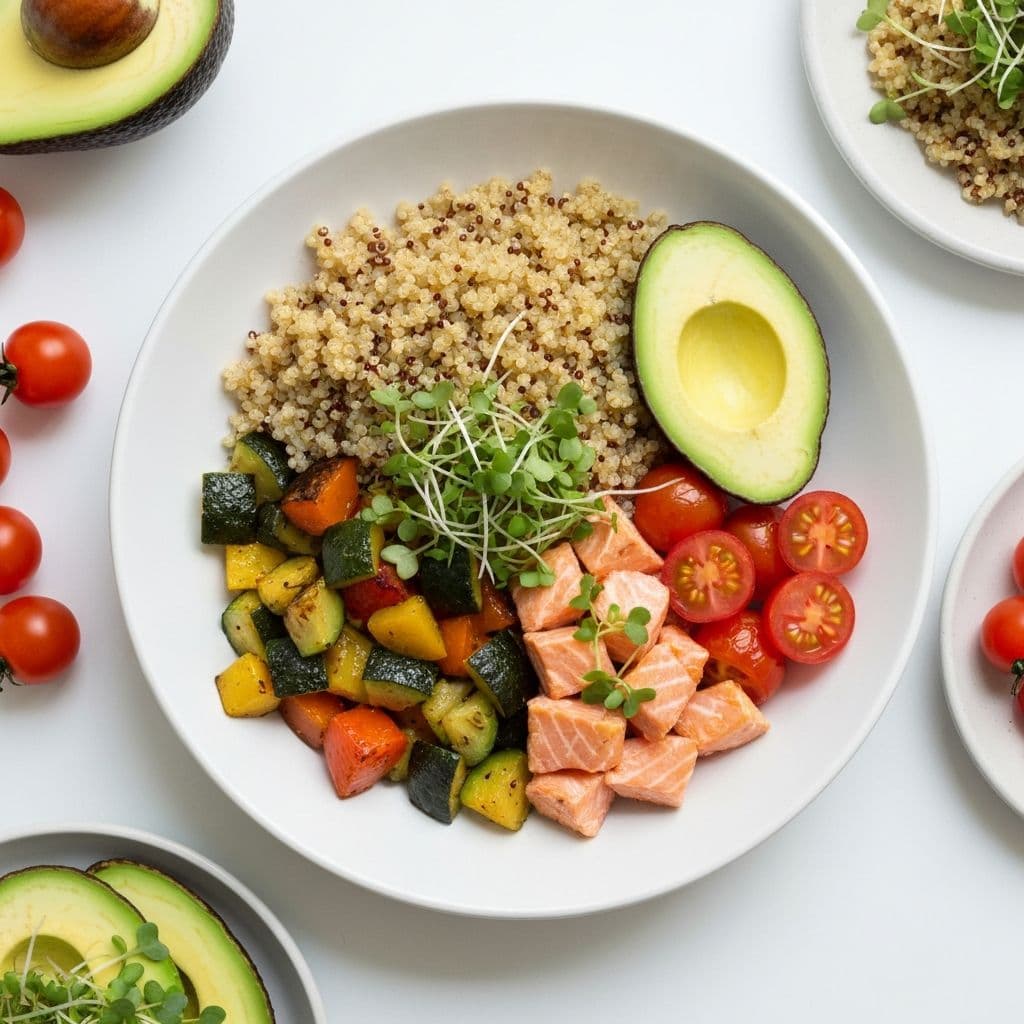
The Superfood Standard
The term "superfood" has been diluted by marketing to the point of meaninglessness. For this list, a food earns superfood status by meeting three criteria: exceptional nutrient density, strong research backing for health benefits, and practical accessibility for everyday consumption.
1. Wild-Caught Salmon
Salmon is perhaps the single most nutritionally complete animal food available. A 6oz serving provides complete protein, over 3g of omega-3 fatty acids (EPA+DHA), vitamin D, B12, selenium, and astaxanthin — one of the most potent antioxidants found in food. The omega-3s alone justify daily consumption for their anti-inflammatory, cardiovascular, and cognitive benefits.
2. Blueberries
Among fruits, blueberries stand apart for their anthocyanin content — the pigments responsible for their deep blue color and most of their health benefits. Regular blueberry consumption is associated with improved memory and cognitive function, reduced DNA damage, improved insulin sensitivity, and lower blood pressure.
3. Dark Leafy Greens (Spinach, Kale, Swiss Chard)
Calorie for calorie, dark leafy greens are the most nutrient-dense foods on Earth. They provide vitamin K (crucial for bone health and blood clotting), folate, magnesium, iron, calcium, and a broad spectrum of antioxidants. Their high nitrate content also improves exercise performance by enhancing oxygen utilization.
4. Eggs
After decades of unwarranted demonization, eggs have been fully rehabilitated by nutritional science. They are one of nature's most complete foods — containing all essential amino acids in ideal ratios, choline (critical for brain health), lutein and zeaxanthin (protecting eye health), and 13 essential vitamins and minerals.
5. Turmeric
Curcumin, the active compound in turmeric, has over 6,000 peer-reviewed studies examining its effects. The evidence is strongest for anti-inflammatory effects, antioxidant activity, and cognitive protection. Bioavailability is dramatically enhanced by consuming with black pepper (piperine) and a fat source.
6. Fermented Foods (Kimchi, Sauerkraut, Kefir)
The gut microbiome has emerged as one of the most significant frontiers in health science. Fermented foods introduce beneficial bacterial strains directly into the gut and have been shown to improve microbiome diversity, reduce inflammatory markers, support immune function, and positively influence mood through the gut-brain axis.
7. Walnuts
Among nuts, walnuts are uniquely rich in plant-based omega-3s (ALA) and polyphenols. Regular walnut consumption is associated with improved heart health, cognitive performance, and gut microbiome diversity. A small handful (28g) daily is sufficient to realize meaningful benefits.
8. Legumes (Lentils, Black Beans, Chickpeas)
Legumes are one of the most consistent dietary predictors of longevity across global studies. They provide plant protein, soluble fiber (feeding beneficial gut bacteria), folate, magnesium, and resistant starch that helps regulate blood sugar.
9. Sweet Potatoes
Sweet potatoes are a complex carbohydrate powerhouse — high in beta-carotene (a vitamin A precursor), vitamin C, potassium, and fiber. Their low glycemic load (despite their sweet flavor) makes them an excellent carbohydrate source for athletes and those managing blood sugar.
10. Green Tea
Green tea is one of the most studied beverages in existence. Its primary bioactive compounds — catechins (especially EGCG) and L-theanine — work synergistically to enhance cognitive function, promote fat oxidation, reduce inflammation, and lower risk of cardiovascular disease and certain cancers. Three to five cups daily appears to capture maximum benefits.
The Takeaway
Real superfoods are whole foods with exceptional nutritional profiles — not exotic powders with astronomical price tags. The 10 foods on this list are accessible, affordable, and backed by robust science. Build your diet around these foundations, and you'll have covered the vast majority of your nutritional requirements naturally.